
Brazilian Butt Lift (BBL) in Korea: Fat Transfer vs. Implant, Safety, Cost, and Recovery for International Patients
A comprehensive guide to Brazilian Butt Lift (BBL) procedures in South Korea for international patients, covering fat transfer versus implant techniques, safety considerations, estimated costs, recovery expectations, and how to verify surgeon credentials.
Researching the treatment itself? Read our full procedure guide — cost, recovery, candidacy and risks.
South Korea has earned a global reputation for advanced plastic surgery techniques and rigorous surgeon training. Among the body-contouring procedures drawing international patients to Seoul and Gangnam, the Brazilian Butt Lift (BBL) has seen growing interest. Whether you are considering fat transfer, implants, or a hybrid approach, understanding the procedure options, safety profile, costs, and recovery timeline is essential before traveling abroad for surgery.
This guide is designed to help international patients make informed decisions about buttock augmentation in Korea—without shortcuts on safety.

Fat Transfer BBL vs. Buttock Implants: Understanding Your Options
Fat Transfer (Autologous Fat Grafting)
The classic BBL involves harvesting fat from areas such as the abdomen, flanks, or thighs via liposuction, processing it, and re-injecting it into the buttocks. This method offers a dual benefit: slimming the donor site while adding volume to the buttocks for a more contoured silhouette.
Natural look and feel: Because the material is your own fat, results tend to integrate naturally with existing tissue.
Requires adequate donor fat: Patients with very low body fat may not have enough harvestable tissue for meaningful augmentation.
Fat survival rate varies: Not all transferred fat cells survive; surgeons typically over-inject to account for reabsorption over the first few months.
Buttock Implants
Silicone implants placed within or above the gluteal muscle offer an alternative for patients who lack sufficient donor fat or desire more dramatic projection.
Predictable volume: Implants provide a consistent, predetermined amount of augmentation.
Longer recovery and different risks: Implant surgery generally involves a longer healing period and carries risks such as capsular contracture, implant displacement, or infection.
Less natural sensation: Some patients report that implants feel firmer compared to fat-grafted results.
Hybrid Approach
Some Korean clinics offer a combination of implants and fat grafting, using implants for core projection and fat transfer for natural contouring around the edges. This approach can cost more and involves a more complex recovery, but may suit patients seeking both significant volume and a natural shape.
Safety Considerations: What Every Patient Must Know
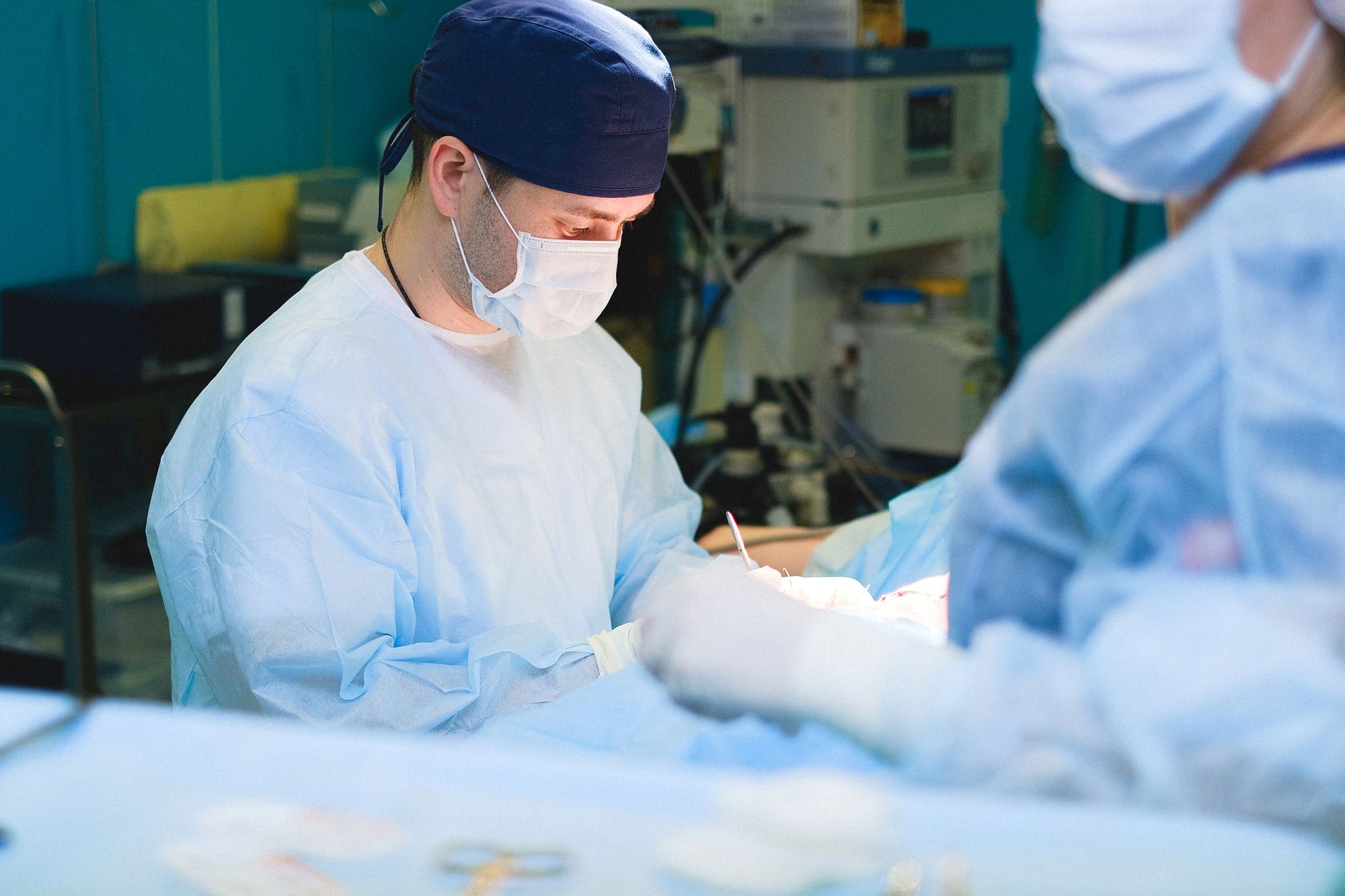
The BBL carries specific risks that set it apart from many other cosmetic procedures, and these risks demand serious attention regardless of where the surgery is performed.
Fat Embolism Risk
The most significant safety concern with fat transfer BBL is pulmonary fat embolism (PFE)—a potentially life-threatening event that occurs when injected fat enters the bloodstream and travels to the lungs. Multiple international plastic surgery societies, including the American Society of Plastic Surgeons (ASPS) and the International Society of Aesthetic Plastic Surgery (ISAPS), have issued guidelines stating that fat should be injected only into the subcutaneous layer (above the muscle), never into or below the gluteal muscle, to reduce this risk.
Key Safety Markers to Look For
Subcutaneous-only injection technique: The surgeon should confirm they follow current multi-society safety guidelines for injection depth.
Ultrasound guidance: Some surgeons use real-time ultrasound to monitor cannula placement during fat injection, adding an additional layer of safety.
Appropriate case volume: Clinics that limit the number of BBL procedures per day per surgeon can devote adequate time and attention to each patient.
Accredited surgical facility: Ensure the clinic operates in a facility with proper anesthesia monitoring and emergency protocols.
Implant-Specific Risks
Buttock implant procedures carry their own set of complications, including infection, implant malposition, capsular contracture, and seroma formation. While the fat embolism risk is not applicable to implant-only procedures, infection rates may be higher due to the proximity of the surgical site to areas with bacterial exposure.
How Much Does a BBL Cost in Korea?
One of the reasons international patients choose Korea is the potential for significant savings compared to Western markets, without compromising on surgical standards. Below are general cost ranges based on publicly available clinic information—actual prices vary based on complexity, fat volume, surgeon experience, and clinic location.
Procedure | Estimated Range in Korea (USD) | Typical Range in the U.S. (USD) |
|---|---|---|
Fat Transfer BBL | $3,000–$7,500 | $7,000–$12,000+ |
Buttock Implants | $6,000–$9,000 | $10,000–$15,000+ |
Hybrid (Implant + Fat Transfer) | $8,000–$12,000 | $12,000–$20,000+ |
Note: These figures are approximate and intended for reference only. Some Korean clinics offer all-inclusive packages for international patients that bundle surgery, post-operative care, accommodation assistance, and airport transfers. Always request a detailed written quote and confirm exactly what is included before committing.
Recovery Timeline for International Patients
Recovery planning is especially important for medical tourists, since you will be far from your home healthcare providers during the most critical healing period. Most surgeons recommend staying in Korea for at least two to three weeks after a BBL before flying home.
Week-by-Week Overview (Fat Transfer BBL)
Week 1: Expect significant swelling, bruising, and discomfort. You will need to avoid sitting directly on your buttocks and sleep on your stomach or side. A compression garment is typically worn 24 hours a day.
Weeks 2–3: Swelling begins to subside. Short periods of sitting with a specialized BBL cushion (which shifts pressure to the thighs) may be permitted. Gentle walking is encouraged to promote circulation.
Weeks 4–6: Most patients can gradually resume modified sitting. Light cardiovascular exercise—such as brisk walking or swimming—may be introduced. Pain is generally minimal at this stage.
Weeks 6–8: Compression garment use tapers off. Most normal daily activities can resume, though strenuous exercise is still restricted.
3–6 months: Final results become visible as residual swelling resolves and surviving fat cells stabilize.
Important: Long-haul flights during the first two weeks post-surgery are generally discouraged due to the risk of deep vein thrombosis (DVT) and the discomfort of prolonged sitting. Discuss your travel schedule with your surgeon before booking flights.
Choosing a Safe, Qualified Clinic in Korea
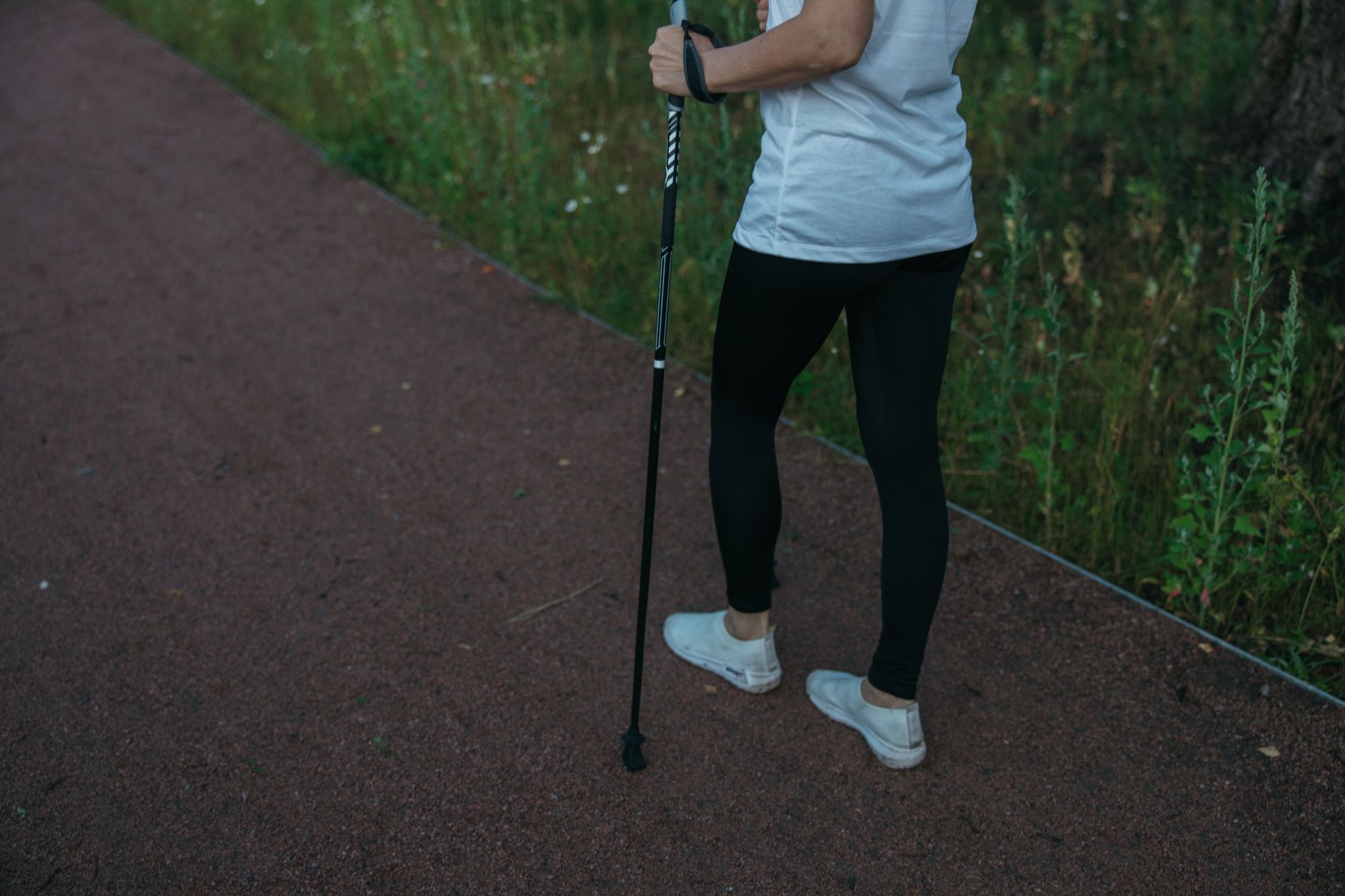
The single most important factor in a safe BBL outcome is your choice of surgeon. In South Korea, the title 성형외과 전문의 (Board-Certified Plastic Surgery Specialist) is legally protected and requires completion of a four-year residency in plastic and reconstructive surgery at a university-affiliated hospital, followed by a national board examination.
Steps to Verify Your Surgeon
Ask for the surgeon's full Korean name and confirm they will personally perform the procedure—not a substitute or assistant surgeon.
Search the KSPRS database: The Korean Society of Plastic and Reconstructive Surgeons (KSPRS) maintains a member search tool where you can verify board certification.
Cross-reference with government records: South Korea's Ministry of Health and Welfare operates a medical provider lookup system that confirms license status and registered specialty.
Evaluate experience: Ask how many BBL procedures the surgeon performs annually, how long they have been practicing, and what their complication rate is.
Red Flags to Watch For
The clinic refuses to disclose the operating surgeon's name in advance.
Prices that seem dramatically lower than the market range, which may indicate corners being cut on safety.
Displaying certificates for conference attendance or equipment training as if they were board certification.
Pressure to book immediately or claims of "limited-time discounts."
How Seoul Medical Insider Can Help
Navigating the Korean medical system as an international patient—across language and cultural barriers—can be challenging. Seoul Medical Insider provides curated information about accredited clinics, helps you understand procedural differences, and offers editorial guidance so you can approach your consultation with the right questions. We do not rank or endorse any single clinic as "the best," because the right choice depends on your individual anatomy, goals, and medical history.
Disclaimer: This article is for general informational and educational purposes only. It does not constitute medical advice, diagnosis, or treatment recommendations. The cost figures cited are approximate ranges compiled from publicly available sources and may not reflect current pricing. Individual results, risks, and recovery experiences vary. Always consult a board-certified plastic surgeon for personalized medical advice before undergoing any surgical procedure.
Clinical details are summarized from materials provided by SMI's partner clinics and published guidance from the Korean Society of Plastic and Reconstructive Surgeons (KSPRS). Technique selection is determined by your surgeon during consultation. SMI is a registered patient-facilitation agency, not a medical provider, and does not offer medical advice.
Related procedure guide See the full Brazilian Butt Lift guideFrequently asked questions
Sources
- Ministry of Health and Welfare, Republic of Korea
- Medical Korea (KHIDI)
- Korea Health Industry Development Institute (KHIDI)
Read our editorial policy to learn how we source and verify information.
