Breast Reduction Surgery in Korea: A Comprehensive Guide for International Patients
Breast reduction surgery in Korea offers international patients access to highly trained board-certified plastic surgeons at competitive costs. This guide covers techniques, candidacy, pricing, recovery, and safety tips for planning your procedure.
Researching the treatment itself? Read our full procedure guide — cost, recovery, candidacy and risks.
South Korea has earned a global reputation as a leader in plastic surgery, and breast reduction — known medically as reduction mammaplasty — is among the procedures drawing a growing number of international patients to Seoul and beyond. For individuals experiencing physical discomfort or lifestyle limitations due to disproportionately large breasts, Korea offers a combination of experienced surgeons, advanced techniques, and competitive pricing that merits serious consideration.
This guide covers the key factors international patients should understand before pursuing breast reduction surgery in Korea, from surgical techniques and candidacy to costs, recovery, scarring, and clinic safety.

Who Is a Candidate for Breast Reduction?
Breast reduction surgery is typically recommended for individuals with a condition called macromastia — breasts that are disproportionately large relative to the body frame. Candidates generally present with one or more persistent symptoms, including:
Chronic neck, shoulder, or upper back pain
Deep grooves in the shoulders from bra straps
Recurrent skin irritation or rashes beneath the breasts (intertrigo)
Difficulty participating in physical activity
Postural problems related to breast weight
Psychosocial distress connected to breast size
During the initial consultation, a Korean plastic surgeon will evaluate your overall health, breast anatomy, skin elasticity, and goals. Patients with a BMI above 35 may be advised to reach a lower weight before surgery to reduce surgical risks and improve outcomes. The surgeon will also discuss whether non-surgical approaches — such as physical therapy or supportive garments — have already been attempted.
Surgical Techniques Used in Korea
Korean plastic surgeons employ several breast reduction techniques, selecting the most appropriate method based on the degree of reduction needed, breast shape, and the patient's aesthetic goals. The three principal approaches are:
Periareolar (Circumareolar) Incision
This technique involves an incision made around the edge of the areola. It is best suited for patients who require only a modest reduction and produces the least visible scarring. However, it is limited in how much tissue can be removed.
Vertical (Lollipop) Incision
The vertical technique uses an incision around the areola that extends downward to the breast crease, forming a lollipop shape. It allows for moderate tissue removal while producing less scarring than more extensive methods, and is one of the most commonly performed techniques in Korean clinics.
Anchor (Inverted-T) Incision
For patients who require significant volume reduction — typically those with very large or heavily ptotic (sagging) breasts — the anchor technique adds a horizontal incision along the inframammary fold. This method permits the greatest amount of tissue removal and reshaping, though it results in more extensive scarring.
In some cases, surgeons may also incorporate liposuction to refine the lateral breast and underarm area, particularly when excess fatty tissue extends beyond the breast mound.

Cost of Breast Reduction in Korea
One of the main reasons international patients consider Korea for breast reduction is the cost advantage relative to Western countries. While prices vary depending on the surgeon's experience, the complexity of the procedure, and the clinic's location and reputation, the general ranges reported are as follows:
Factor | Estimated Range (USD) |
|---|---|
Standard breast reduction in Korea | $4,500 – $9,000 |
Complex or large-volume reduction | $9,000 – $14,000 |
Comparable procedure in the United States | $10,000 – $20,000+ |
Prices in Korea frequently include the surgeon's fee, anesthesia, operating room use, a short hospital stay (typically one night), post-operative medications, compression garments, and scheduled follow-up visits. However, patients should always confirm exactly what is and is not covered in a quoted package, as inclusions vary by clinic.
Important: These figures are approximate ranges gathered from publicly available clinic information and medical tourism platforms. Actual costs depend on individual circumstances. Always request a detailed, written quote during your consultation.
Recovery Timeline
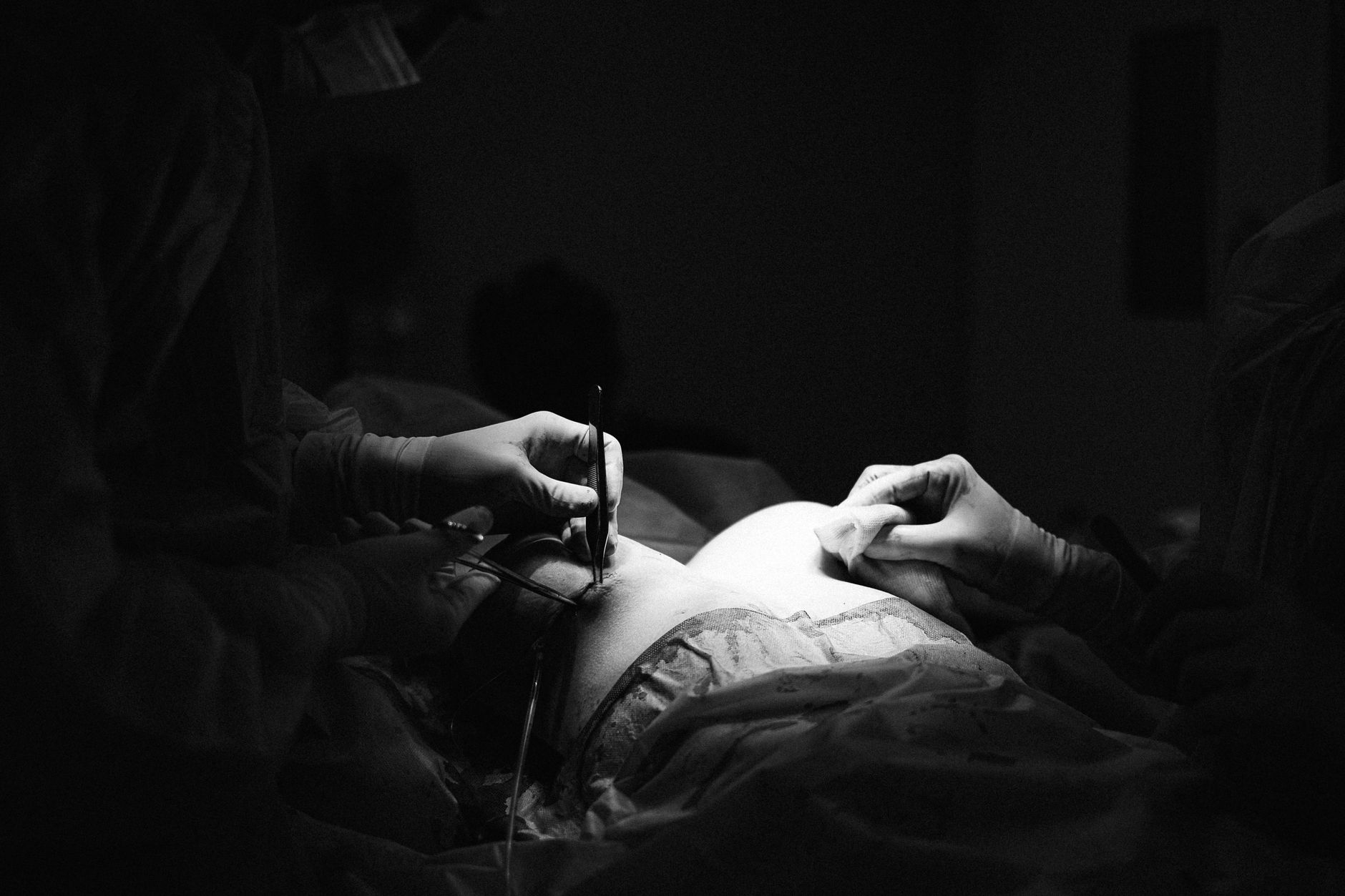
Breast reduction is performed under general anesthesia and typically takes three to four hours. Most Korean clinics require at least one overnight stay for monitoring. Here is a general recovery outline:
Days 1–3: The most uncomfortable period. Swelling, bruising, and soreness are common. Drains may be placed and are usually removed within a few days.
Days 7–10: Sutures are typically removed. Many patients begin to feel significantly more comfortable.
Weeks 2–3: Most patients can resume light daily activities and desk work. Strenuous exercise and heavy lifting should be avoided.
Months 2–3: Swelling continues to subside and breast shape begins to settle. Initial scar fading becomes noticeable.
Up to 12 months: Final breast shape and scar maturation are achieved.
International patients should plan for a minimum stay of 10 to 14 days in Korea to accommodate pre-operative consultations, medical tests, the surgery itself, initial recovery, and the first post-operative follow-up.
What to Expect with Scarring
Scarring is an inherent part of any breast reduction procedure. The extent depends primarily on the incision technique used. Korean surgeons are known for meticulous suturing techniques and often incorporate scar management protocols — including silicone sheets, topical treatments, and laser therapy — into their post-operative care plans.
Scars are typically placed around the areola, along the lower breast, and in the inframammary fold, where they are largely concealed by undergarments. While scars are permanent, they generally fade considerably over the first year and continue to improve with proper care.

Choosing a Safe Clinic and Surgeon
For international patients, verifying the credentials of a Korean plastic surgeon is a critical step. Here are the key considerations:
Board Certification
Ensure your surgeon is a member of the Korean Society of Plastic and Reconstructive Surgeons (KSPRS). Board certification in plastic surgery in Korea requires approximately 11 years of training: six years of medical school, a one-year internship, a four-year residency involving extensive clinical cases, and professional examinations. You can verify a surgeon's credentials through the KSPRS online member directory.
Accreditation
Look for clinics with recognized accreditations such as JCI (Joint Commission International) or certification from the Korean Association of Health Promotion (KAHF). These demonstrate adherence to safety and quality standards.
Anesthesia Safety
Confirm that the clinic employs a dedicated, board-certified anesthesiologist who will be present throughout your procedure.
Facilitator Registration
If you work with a medical tourism agency or coordinator, verify that they are registered as a "Foreign Patient Facilitator" with the Korean Ministry of Health and Welfare.
Red Flags to Watch For
Vague titles like "cosmetic doctor" without verifiable KSPRS certification
No named surgeon listed on the clinic website
Unusually low pricing that seems too good to be true
High-pressure booking tactics or refusal to provide detailed written quotes
Lack of transparency about who will actually perform the surgery (to guard against so-called "ghost surgery")
How Seoul Medical Insider Can Help
Navigating the Korean medical system from abroad can be complex, especially when language barriers and unfamiliar healthcare structures are involved. Seoul Medical Insider connects international patients with accredited clinics and board-certified surgeons, provides transparent information on procedures and pricing, and supports patients through the consultation and planning process — without promoting any single clinic as the best option.
Disclaimer: This article is intended for general informational purposes only and does not constitute medical advice, diagnosis, or treatment recommendations. Breast reduction surgery carries risks, including but not limited to infection, scarring, changes in sensation, and anesthesia complications. Individual results vary. Always consult a board-certified plastic surgeon to discuss your specific medical history, candidacy, and expected outcomes before making any surgical decisions.
Clinical details are summarized from materials provided by SMI's partner clinics and published guidance from the Korean Society of Plastic and Reconstructive Surgeons (KSPRS). Technique selection is determined by your surgeon during consultation. SMI is a registered patient-facilitation agency, not a medical provider, and does not offer medical advice.
Related procedure guide See the full Breast Reduction guideFrequently asked questions
Sources
- Ministry of Health and Welfare, Republic of Korea
- Medical Korea (KHIDI)
- Korea Health Industry Development Institute (KHIDI)
Read our editorial policy to learn how we source and verify information.
