Two-Jaw Surgery in Korea: What International Patients Need to Know
Two-jaw surgery corrects functional and aesthetic jaw misalignment by repositioning both the upper and lower jaw. Korea has become a leading destination for this complex procedure — here's what international patients should know before committing.
Researching the treatment itself? Read our full procedure guide — cost, recovery, candidacy and risks.
Two-jaw surgery — also called double jaw surgery or bimaxillary osteotomy — is one of the most complex and transformative facial procedures available. Unlike purely cosmetic contouring, it repositions both the upper jaw (maxilla) and lower jaw (mandible) to correct structural imbalances that affect bite function, breathing, and facial symmetry. Korea performs thousands of orthognathic cases each year, and the country's high surgical volume, competitive pricing, and advanced imaging technology have made it a top destination for international patients seeking this procedure.
Who Is a Candidate for Two-Jaw Surgery?
Two-jaw surgery is generally indicated for patients with skeletal-level jaw discrepancies that cannot be resolved through orthodontics alone. Common candidacy criteria include:
Severe underbite or overbite — where the upper and lower teeth do not meet properly due to jaw positioning, not just tooth alignment.
Jaw protrusion or retrusion — a noticeably protruding or recessed upper or lower jaw that affects both function and appearance.
Facial asymmetry — a visibly tilted or uneven jaw structure that causes the midline of the face to deviate.
Long face syndrome or excessive gum exposure — vertical excess in the upper jaw that leads to a "gummy smile" or disproportionately long lower third of the face.
Obstructive breathing issues — in some cases, jaw repositioning can improve airway dimensions.
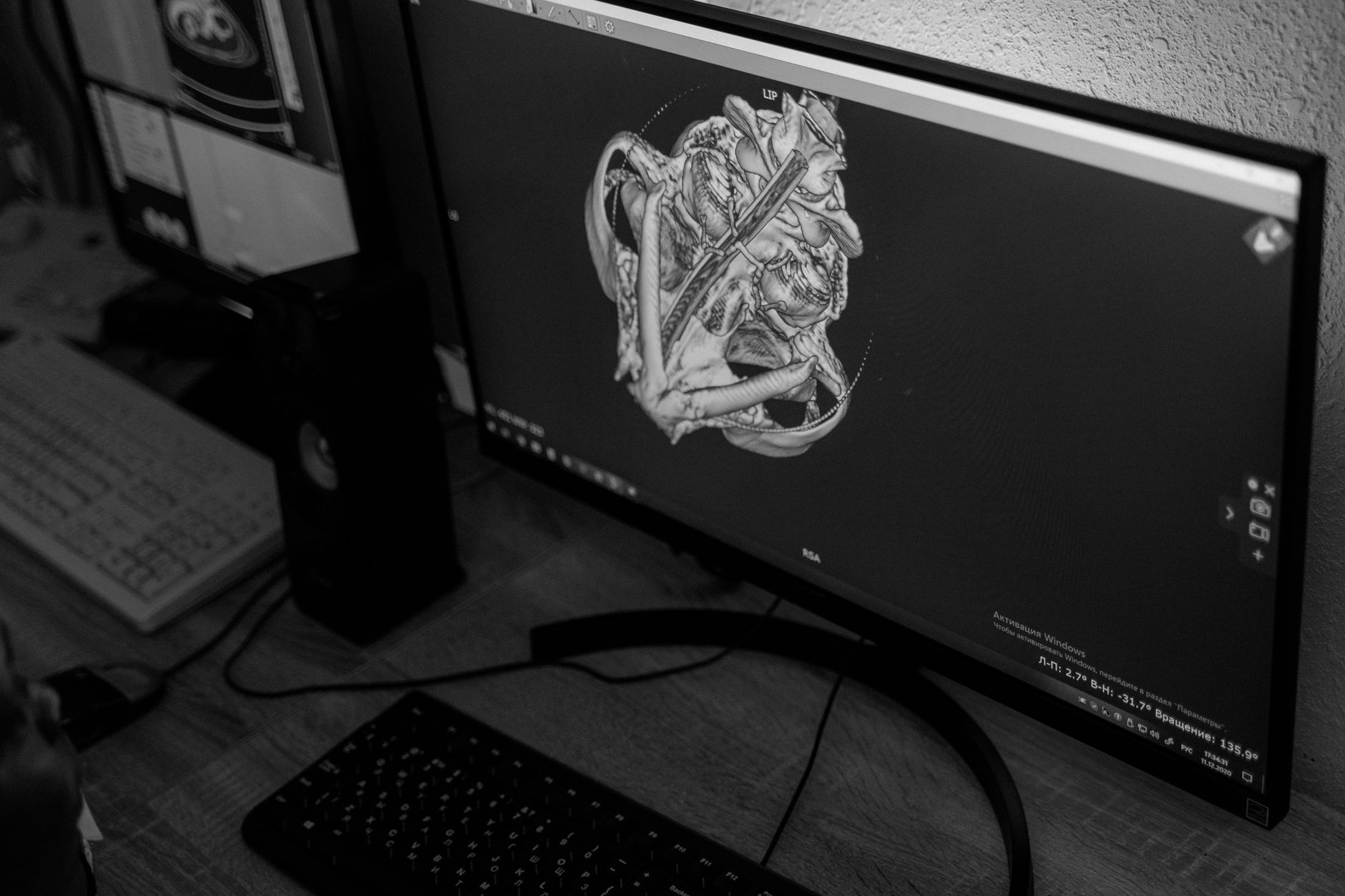
Patients typically need to be at least 18 years old, with fully developed jaw bones. A thorough evaluation — including 3D CT imaging and bite analysis — is essential before any surgical plan is finalized.
Two-Jaw Surgery vs. V-Line Jaw Reduction: Key Differences
These two procedures are sometimes confused, but they address fundamentally different problems.
Two-Jaw Surgery | V-Line Jaw Reduction | |
|---|---|---|
Goal | Correct jaw alignment, bite, and facial balance | Slim and reshape the lower jawline for cosmetic refinement |
Bones involved | Both upper jaw (maxilla) and lower jaw (mandible) | Lower jaw (mandible) and sometimes chin |
Functional component | Yes — corrects malocclusion, may improve breathing | Primarily cosmetic; does not change bite alignment |
Complexity | Higher; longer surgery time, often requires post-surgical orthodontics | Lower; typically a shorter procedure without orthodontic follow-up |
Recovery | Longer — significant swelling and dietary restrictions for several weeks | Shorter — most patients resume normal activities sooner |
In short, V-line surgery reshapes the contour of the jaw for a slimmer appearance, while two-jaw surgery moves the entire skeletal framework of both jaws into a new position. Some patients may need one or the other; in rare cases, elements of both procedures are combined.

Cost of Two-Jaw Surgery in Korea
Pricing for two-jaw surgery in Korea varies depending on the complexity of the case, the surgeon's experience, and the facility. Based on publicly available information, approximate cost ranges are:
Two-jaw surgery in Korea: roughly $13,000–$22,000 USD, with more complex cases potentially higher.
Comparable procedures in the United States: often $30,000–$50,000 USD or more, depending on whether insurance covers the functional component.
Most Korean clinics include 3D CT diagnostics, general anesthesia, and a short hospital stay in their quoted price. However, patients should confirm exactly what is included and ask about potential additional costs such as orthodontic treatment (typically required for 12–18 months post-surgery), medication, follow-up visits, and accommodation.
Note: The figures above are general estimates gathered from publicly available clinic and medical-tourism sources. Actual costs depend on individual case complexity and the facility chosen. Always request a personalized quote during consultation.
Recovery Timeline
Two-jaw surgery involves significant bone work, and recovery should not be underestimated. A general timeline looks like this:
Days 1–3: Hospital stay for monitoring. Swelling increases and typically peaks around day 3 or 4.
Weeks 1–3: Major swelling gradually subsides. Diet is restricted to liquids and very soft foods. Most international patients are advised to remain in Korea for at least three weeks.
Weeks 4–8: Bone healing progresses. Patients may resume light daily activities, though some residual swelling can persist.
Months 3–6: Most visible swelling resolves. Sensation in the lower lip and chin area — often temporarily reduced after surgery — typically begins to return.
Months 6–12: Final settling of bone and soft tissue. Full results become apparent.
Post-operative orthodontic treatment (braces or clear aligners) is usually required for 12 to 18 months to fine-tune the bite after the jaws have been repositioned. This can often be continued with an orthodontist in the patient's home country.
Choosing a Safe Clinic for Two-Jaw Surgery in Korea
Because two-jaw surgery involves cutting and repositioning bone under general anesthesia, the stakes are higher than with most cosmetic procedures. Patients should prioritize safety above all else. Key considerations include:
Surgeon credentials: Look for board certification from the Korean Association of Oral and Maxillofacial Surgeons or the Korean Society of Plastic and Reconstructive Surgeons. Some surgeons hold dual qualifications. These credentials are publicly verifiable.
Facility accreditation: The Korea Institute for Healthcare Accreditation (KOIHA) certifies hospitals and surgical centers that meet standardized safety, infection control, and emergency-response protocols.
Case volume: Ask how many orthognathic procedures the surgeon performs annually. High volume generally correlates with greater expertise and more refined outcomes.
Imaging and planning: Reputable clinics use 3D cephalometric analysis and CT-based surgical planning. Request to see before-and-after imaging from previous cases similar to yours.
Anesthesia and ICU support: Confirm that a board-certified anesthesiologist will be present and that the facility has proper monitoring and emergency equipment. Respiratory complications, though rare, are the most serious risk associated with this surgery.
Aftercare plan: A credible clinic will outline a clear post-operative protocol, including follow-up appointments, dietary guidance, and a plan for orthodontic coordination.

How SMI Can Help
Seoul Medical Insider connects international patients with accredited Korean clinics and board-certified surgeons. We provide factual, editorially independent information to help you research your options — but we always recommend scheduling direct consultations with qualified surgeons before making any decisions. Our team can assist with clinic shortlisting, appointment coordination, and logistical planning for your medical trip to Korea.
Disclaimer: This article is provided for general informational and educational purposes only. It does not constitute medical advice, diagnosis, or treatment recommendations. Two-jaw surgery is a major surgical procedure with inherent risks. Always consult a board-certified oral and maxillofacial surgeon or plastic surgeon to determine whether you are a suitable candidate and to discuss the benefits, risks, and alternatives specific to your case.
Clinical details are summarized from materials provided by SMI's partner clinics and published guidance from the Korean Society of Plastic and Reconstructive Surgeons (KSPRS). Technique selection is determined by your surgeon during consultation. SMI is a registered patient-facilitation agency, not a medical provider, and does not offer medical advice.
Related procedure guide See the full Two-Jaw Surgery (Orthognathic Surgery) guideFrequently asked questions
Sources
- Ministry of Health and Welfare, Republic of Korea
- Medical Korea (KHIDI)
- Korea Health Industry Development Institute (KHIDI)
Read our editorial policy to learn how we source and verify information.
