
Plastic Surgery in Korea for US Patients (2026)
We are a registered medical-tourism concierge in Seoul, and this page is written for one specific traveler: the US-based patient weighing a surgical trip to Korea.
We coordinate your care end to end, and you pay us nothing — our fee is covered on the clinic side, never added to your bill.
Below we lay out what actually changes when you fly from the United States:
- Your flight routes
- How USD payment and card recourse work across a border
- The procedures US patients most often ask us about
- How much time off you realistically need
- What happens with revisions once you're back home
US patients fly nonstop to Seoul in roughly 12.5–15 hours, pay Korean clinics in won by US card or wire, and should plan 10–18 days on the ground depending on procedure. We are a registered concierge: you pay us $0, and we coordinate surgeon vetting, scheduling, and aftercare across the US–Korea time gap.
Why US patients come to us — and what we actually do
We are a registered agency, not a clinic and not a review site. We match US patients to board-verified Korean surgeons, handle scheduling and translation, and stay reachable across the time difference — and we charge the patient nothing.
Our compensation comes from the clinic side as a standard coordination arrangement, so it is never marked up onto your surgical quote. That distinction matters most for US patients, who are used to surgeon's fees, facility fees, and anesthesia all billed separately at home. In Korea your quote is typically more consolidated, and our role is to make sure nothing is hidden inside it.
We verify every surgeon's specialty board credentials before we introduce them — see our surgeon identity verification process for exactly how we confirm who will be holding the scalpel.
We do not run before-and-after galleries or testimonials, because Korean medical law restricts that kind of advertising, and frankly it tells you little about your own result.
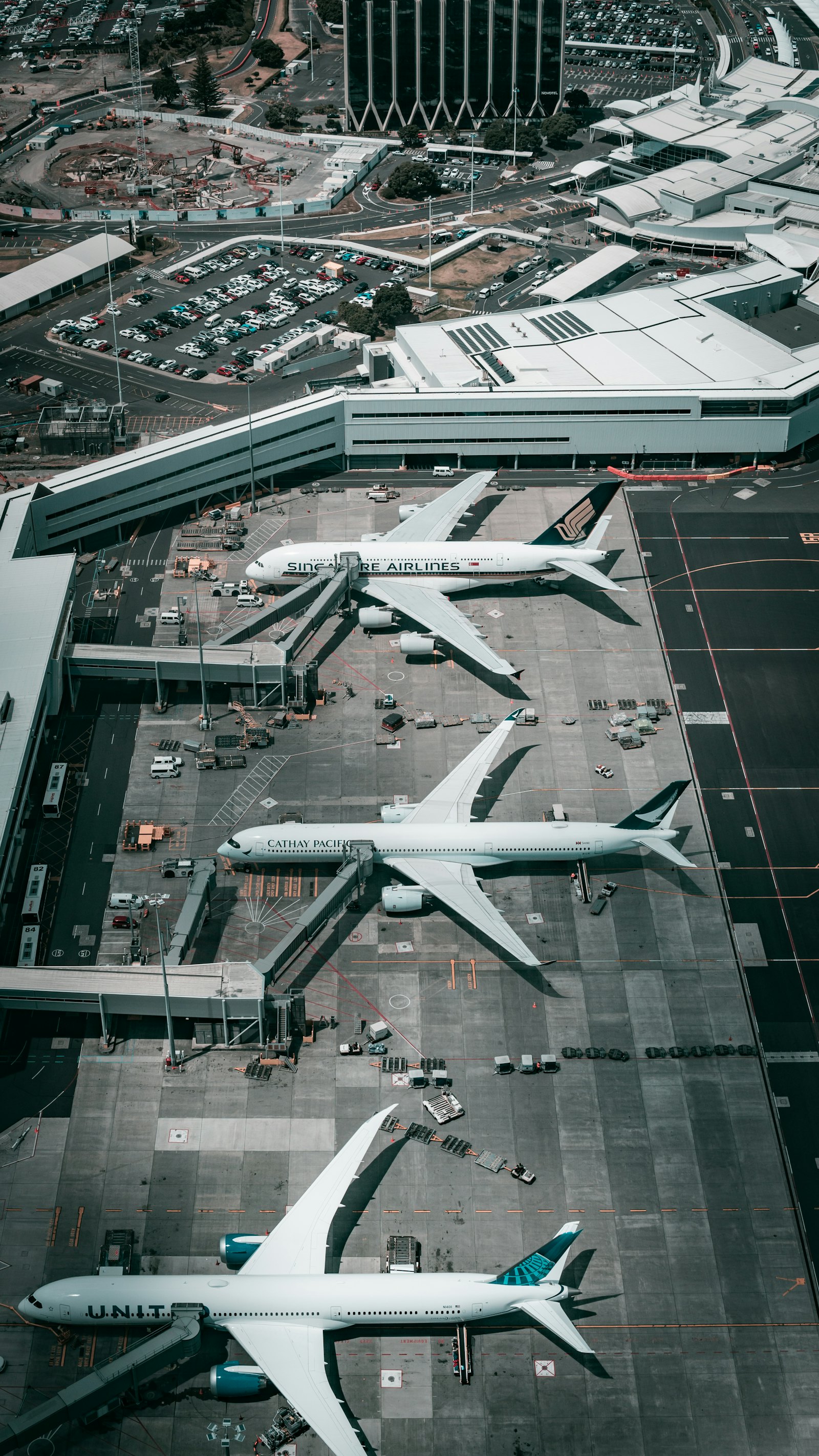
Flights from US hubs: how long you're actually in the air
US patients reach Seoul (Incheon, ICN) by nonstop flights from most major hubs. West Coast departures run around 12.5–13.5 hours, and East Coast departures around 14–15+ hours.
This is the single biggest physical difference versus a domestic procedure. It shapes everything from when you fly home to how we schedule your final check-up.
| US departure | Approx. nonstop time to Seoul (ICN) | Notes for patients |
|---|---|---|
| Los Angeles (LAX) | ~12h 40m–13h 45m | Multiple daily nonstops; easiest West Coast option |
| San Francisco (SFO) | ~12.5–13h | Frequent nonstop service |
| Seattle (SEA) | ~11.5–12.5h | Shortest mainland routing |
| Atlanta (ATL) | ~14.5h | Nonstop available; long single leg |
| New York (JFK/EWR) | ~14–15h+ | East Coast nonstops; plan for the longest haul |
| Dallas (DFW) / Chicago (ORD) | ~13.5–15h | Nonstop on select carriers |
The number that matters for recovery is not the flight out — it's the flight home. A 13-to-15-hour return leg in a pressurized cabin is a real consideration after facial or body surgery.
That's why our trip plans build in a minimum supervised recovery window before we clear you to fly. We cover this in detail in our recovery-stay-length guide.
USD payment realities and your recourse across a border
US patients pay Korean clinics in Korean won, charged to a US card or sent by international wire. Your strongest consumer recourse is your card network's dispute process rather than a US court — and understanding this before you pay protects you.
- Card vs. wire. Paying a deposit or balance on a US credit card keeps you inside the Visa/Mastercard dispute system, which generally allows a cardholder up to ~120 days to file a chargeback for services not rendered or materially not as described. A bank wire offers no equivalent reversal — once it's sent, it's gone. We advise US patients to keep as much as possible on a card for exactly this reason.
- Foreign transaction fees. Most US cards add a 1–3% foreign transaction fee on won-denominated charges. A no-FTX-fee travel card removes this; it's a small but real saving on a four- or five-figure procedure.
- Exchange-rate timing. Your USD cost floats with the won (recently around 1,380 KRW per USD). We quote you in won and show the USD equivalent at booking, but the final card settlement uses the rate on the charge date, so a small drift either way is normal.
- Documentation. We make sure you leave with an itemized, English-readable invoice and your operative record — both are what a card issuer or your US insurer will ask for if you ever need to dispute or claim.
Any figures here are general 2026 market orientation for US travelers, not a quote or solicitation. Your actual cost depends on your surgeon, your anatomy, and your plan.
For a full picture of what drives price, see our Korea cost orientation page, and our broader cost-and-planning hub.
Procedures US patients most often ask us about
US patients most commonly approach us for rhinoplasty (including revision of a US primary), facial contouring, double-eyelid surgery, and body procedures like liposuction — often combining what would be two separate US trips into one Korea stay.
The pattern differs from other markets. A meaningful share of our US inquiries are revision cases where a first surgery at home didn't meet expectations.
- Rhinoplasty and revision rhinoplasty — our most common US request, often involving structural or revision work. See /procedures/rhinoplasty.
- Double-eyelid surgery — frequently combined with other facial work in a single trip. See /procedures/double-eyelid-surgery.
- Facial contouring (V-line, genioplasty) — sought for structural changes less commonly offered at home. See /procedures/v-line-facial-contouring.
- Liposuction and body contouring — see /procedures/liposuction.
As a rough 2026 orientation only, third-party market ranges US travelers encounter run from roughly $2,700–3,850 for double-eyelid surgery to $4,260–7,200 for rhinoplasty and $2,180–6,375 for liposuction (KRW ~1,380/USD). These are market ranges, not our quote and not a named-clinic price.
How much time off you realistically need
US patients should plan 10 to 18 days in Korea, plus a few extra recovery days at home before returning to work.
US vacation norms — often just two weeks — make this the tightest constraint for our American patients, so we plan around it deliberately.
| Stay component | Typical length | Why |
|---|---|---|
| Pre-op consultation + tests | 1–2 days | In-person assessment before surgery is fixed |
| Surgery + immediate recovery | 1–2 days | Procedure and first monitored days |
| Supervised recovery in Seoul | 6–12 days | Swelling, suture removal, fitness-to-fly check |
| Buffer before flying home | 1–2 days | Margin for the long return leg |
A US round trip already costs you two travel days plus the haul, so we front-load consultations to keep you from waiting idle in Seoul.
We also help sequence combined procedures into one trip where it's medically appropriate, so you spend your limited PTO once rather than twice. Our trip-planning guide and Gangnam stay guide walk through the logistics.
Revisions and complications once you're home in the US
The hardest US-specific question is what happens after you fly home, and we answer it before you book — not after.
Once you're back in the United States, your Korean surgeon is 13+ hours and an ocean away, so your aftercare plan has to account for that gap.
- We stay your point of contact. After you return, we relay between you and your surgeon's clinic, so follow-up questions don't get lost to language or time zone. See our aftercare for international patients.
- Revision logistics. A revision typically means returning to Korea, because your operating surgeon knows your case. We help you weigh whether a US-based local consult or a return trip makes sense, honestly, for your situation.
- US-side complication care. For urgent issues at home, you'll be seen by a US provider; we make sure you carry the operative notes and records they'll need to treat you safely. We coordinate, but we don't pretend a Seoul surgeon can manage an acute US-side complication remotely.
Honest limits
Surgery abroad carries real risk. No agency or surgeon can promise a result, a complication-free recovery, or that you'll never need a revision.
The hardest part for US patients is structural:
- Your early healing happens far from the surgeon who operated.
- Continuity of care across an ocean is genuinely harder than it is at home.
- An acute complication after you land in the US will be managed by a local provider who didn't perform the surgery.
What we can promise is narrower and concrete:
- Verified specialty-board credentials.
- Transparent cost with nothing hidden in the quote.
- The records any later provider will need.
- That we don't disappear after surgery.
If a trip isn't right for your case, we'll tell you.
Our US-timezone support
We staff our patient support to overlap US business hours. A registered concierge that only answers during Seoul daytime isn't much use to someone in California or New York.
Seoul is roughly 13–16 hours ahead of the US mainland, so we schedule consults and follow-ups in windows that work for you — early-morning Seoul for US evenings, and asynchronous messaging in between.
We also provide English-language support throughout your surgery, from your first consult through discharge.
Key facts
- You pay us $0 — our fee is clinic-side and never added to your bill.
- Flights: ~12.5–13.5h nonstop from the West Coast, ~14–15h+ from the East Coast.
- Pay by card where possible for ~120-day dispute recourse; wires aren't reversible.
- Plan 10–18 days in Korea plus home buffer before returning to work.
- Revisions usually mean a return trip; we coordinate aftercare across the time gap.
Ready to plan your trip?
If you're a US patient considering Korea, start a free consultation. We'll verify surgeons, lay out honest cost orientation, and build a trip that fits your time off and your route home.
Explore our foreigner hub, how it works, and about us for more.
Sources & last updated — June 2026. Flight durations: FlightsFrom.com and FlightConnections nonstop LAX/SFO/JFK–ICN schedules (2026). Card-dispute window: Visa Core Rules & Mastercard Chargeback Guide (2026), ~120-day cardholder dispute period. Cost ranges: third-party 2026 market data, KRW ~1,380/USD; orientation only, not a quote or solicitation.
Questions
Frequently asked questions
Start here
Your consultation, with people who answer.
Tell us what you’re considering. An English-speaking coordinator replies within 24 hours — no fee, no pressure.
- MOHW-registered · A-2025-01-01-06547
- Reply within 24 hours
- $0 concierge fee
- No obligation
