Plastic Surgery in Korea for Hong Kong Patients
Seoul is barely a long lunch away from Hong Kong, and that changes everything about how an SMI-managed surgery trip is planned.
This page is written for Hong Kong residents specifically: the flight maths, the HKD payment realities, the Cantonese-and-English support you'll need on the ground, and how follow-up works once you're back in the city.
We are a registered medical-tourism concierge, not a clinic. We coordinate the trip; the surgeon performs the surgery.
Hong Kong patients are unusually well-placed for surgery in Korea: Incheon is roughly a 3.5-hour direct flight, HKSAR passport holders enter visa-free and K-ETA-exempt through 2026, and the short hop makes even quick, single-procedure trips realistic. SMI is a registered concierge that vets your surgeon, coordinates Cantonese and English support, and books logistics. You pay SMI no agency fee.
Why Hong Kong is one of the easiest places to fly from for Korean surgery
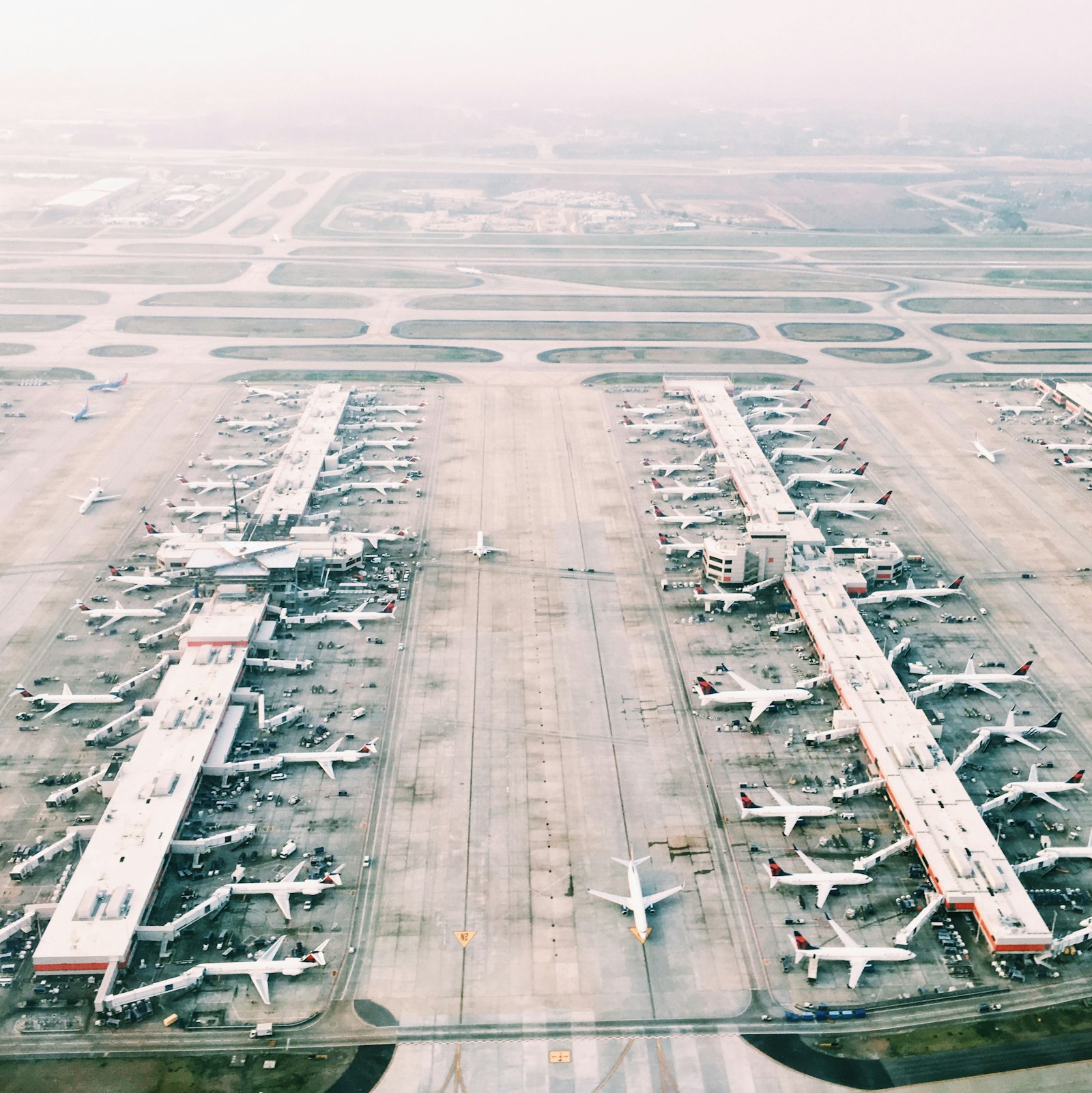
For Hong Kong residents, Korea is closer and simpler than almost any other international surgery destination. A direct Hong Kong–Incheon flight runs about 3 hours 35 minutes to 4 hours, with multiple carriers (Cathay Pacific, Hong Kong Airlines, Korean Air, Asiana, and low-cost options) flying the route daily from HKG.
That short hop is your single biggest practical advantage over US, European, or even most Southeast Asian patients. A procedure with light downtime can fit into a long weekend plus a few days. And if you need to return for a touch-up or a delayed review, it's an affordable, half-day journey rather than a major expedition.
You also skip a paperwork step that catches other travellers out. HKSAR passport holders are exempt from the K-ETA travel authorisation through 31 December 2026 and may enter Korea visa-free for up to 90 days on a valid passport for tourism, which includes elective medical visits within that window. (Korea Immigration / k-eta.go.kr; HKSAR Immigration Department visa-free list)
Applying for a K-ETA remains optional and can smooth arrival, but it is not required for a standard short surgery trip.
We confirm your specific entry status in writing before you book anything, because the exemption is reviewed periodically and is currently set to lapse at the end of 2026 — so we never want you relying on a blog post, including this one. Always reconfirm with Korea Immigration close to travel.
Which procedures Hong Kong patients most often ask us about
Hong Kong enquiries skew toward refinement and "quick-trip" procedures rather than long, multi-stage surgeries. It's a pattern driven by the short flight and Hong Kong's compressed annual-leave culture.
The requests we field most often from Hong Kong clients are:
- Double-eyelid surgery and ptosis correction.
- Rhinoplasty — often subtle dorsum and tip refinement rather than dramatic change.
- Facial-contour work such as V-line and genioplasty.
Eye and nose procedures dominate for two reasons. They pair well with a shorter recovery window. And Hong Kong patients frequently want a natural, "did they or didn't they" result — discreet enough to be back at a Central desk inside one leave block.
Larger procedures — facelift, breast augmentation, extensive liposuction — are absolutely coordinated too, but we plan those as longer stays because the recovery and review schedule genuinely needs the time. Below is an orientation only.
| Procedure | Typical reason Hong Kong patients choose Korea | Recovery posture for a quick trip |
|---|---|---|
| Double-eyelid / ptosis | Natural crease refinement; short downtime | Often feasible in a compressed trip |
| Rhinoplasty | Subtle dorsum/tip refinement | Splint period needs planning around |
| V-line / genioplasty | Lower-face contour | Longer stay; not a weekend procedure |
| Facelift / breast / lipo | Technique depth, value | Plan a full recovery-length stay |
We match you to a board-certified specialist for the specific procedure, and we never push you toward a bigger operation than you came for. See our procedures hub and procedure pages such as rhinoplasty, double-eyelid surgery, and V-line facial contouring for the surgical detail.
What it costs, in plain terms — and how HKD actually plays out
Korea is generally priced below private cosmetic surgery in many Western markets, but the figure that matters to you is the all-in HKD landed cost, not a single quoted number.
As a 2026 orientation only — not a quote or solicitation — independent third-party market data puts a common procedure such as rhinoplasty in the region of US$4,260–7,200, with simpler eyelid work lower and full facial or body surgery materially higher.
Because clinics charge in won, your real HKD cost depends on the exchange rate on the day you settle (the HKD trades around 7.8 to the US dollar). So we help you understand the won figure before you travel, rather than fixing a Hong Kong price band you might over-rely on.
A few HKD-specific realities we walk you through:
- Payment is in Korean won at the clinic. Most clinics accept major credit cards and bank transfer; settling a large surgical bill on an HKD card means your card issuer's FX rate and any foreign-transaction fee apply, which can add a few percent versus a Hong Kong money-changer or a multi-currency account loaded with won in advance.
- There is no longer a tourist VAT refund to chase on cosmetic surgery. Korea abolished the relevant VAT arrangement effective 1 January 2026; historically the offset was on the order of ~6–8% via cashback rather than a flat 10%, and you should not budget around an old "10% back" assumption.
- Budget the trip, not just the operation: flights, a Gangnam stay across your review days, and a contingency buffer.
Crucially: SMI charges the patient no agency fee, and we do not mark up or take a hidden cut of your clinic bill. For a fuller breakdown see plastic surgery Korea cost.
A realistic quick-trip timeline for a Hong Kong schedule
Because Hong Kong leave is tight, we build the shortest medically sound itinerary — not the shortest possible one. Here is how we typically sequence a lighter procedure (such as eyelid or modest rhinoplasty) for a Hong Kong client:
- Before you fly (from Hong Kong): online consultation, document and photo review, surgeon matching and written vetting summary, and dates confirmed around your leave.
- Day 0 — arrive: evening flight out of HKG lands the same night; check into a Gangnam stay near the clinic.
- Day 1 — in-person consult + surgery: face-to-face review, final agreement, procedure.
- Days 2–4 — early recovery + first check: rest, swelling management, first post-op review with our Cantonese/English coordinator alongside.
- Day 5–7 — suture/splint review and fit-to-fly clearance: the surgeon confirms you're cleared to travel before you book the return.
- Back in Hong Kong: remote follow-up, and a return review trip scheduled only if clinically needed.
For procedures with more swelling or a splint, we extend the middle days rather than rushing your departure. See recovery and stay length in Korea and staying in Gangnam for surgery.
Cantonese and English support — and why we treat it as non-negotiable
You should never be consenting to surgery in a language you're not fully comfortable in, so we arrange Cantonese-and-English support around every clinical conversation.
Many Gangnam clinics have English-speaking coordinators, but Cantonese-fluent medical interpretation is far less consistent. The nuances of consent, risk disclosure, and aftercare instructions are exactly where ambiguity is dangerous.
So we make sure a coordinator who works comfortably in Cantonese and English is present for your consultation, consent, and post-op briefings, and that your written aftercare instructions are clear before you leave.
The timezone helps too. Hong Kong is on UTC+8 and Seoul on UTC+9, so Seoul is just one hour ahead. Messaging your coordinator from Hong Kong before or after your trip rarely involves awkward overnight gaps. See English support for Korea surgery.
Home follow-up: what happens once you're back in Hong Kong
The honest limit of any overseas surgery is that your surgeon is in Seoul, not in Causeway Bay — so we plan for distance follow-up before you ever fly.
For routine recovery, we coordinate remote check-ins (photos and video review) with your Seoul clinic's coordinator, and we help you understand what is normal swelling versus a reason to seek in-person care. If you need hands-on attention in Hong Kong — suture issues, an antibiotic, a question your GP can field — we help you brief a local doctor with your surgical records.
Revision and complication access is the part Hong Kong patients most need to hear plainly. A true surgical revision is performed by the operating surgeon in Korea. The short, affordable HKG–ICN flight is what makes that genuinely practical for Hong Kong clients compared with patients from farther away, but it still means a return trip.
We are upfront about this during planning, confirm the clinic's revision policy in writing, and never imply that a local Hong Kong doctor can simply "finish" Korean surgery. See aftercare for international patients.
How we vet your surgeon (the same standard, every time)
Verification is the core of what you're paying for in trust, not in fees. Our process, in brief:
- We confirm the surgeon's board certification and specialty.
- We check the clinic's licensing.
- We match the surgeon's actual operative focus to your procedure.
- We give you a written summary you can question before committing.
We explain this in full on surgeon identity verification in Korea and within plastic surgery in Korea for foreigners.
Key facts for Hong Kong patients
- Flight: ~3.5–4h direct, HKG–ICN, many daily carriers.
- Entry: Visa-free up to 90 days; K-ETA-exempt through 31 Dec 2026 (reconfirm before travel).
- Time difference: Seoul is 1 hour ahead of Hong Kong (UTC+9 vs UTC+8).
- Payment: Settled in KRW; mind HKD card FX/fees; no VAT-refund scheme post-2026.
- Fees: Patient pays SMI no agency fee.
Honest limits
We coordinate and verify; we do not perform surgery and we do not guarantee outcomes.
Surgery carries risk regardless of country, recovery varies by person, and a short flight does not make a procedure "minor." Early healing happens far from your operating surgeon, and continuity of care across a border is genuinely harder than at home.
Cost figures here are dated 2026 orientation ranges from third-party market data, not quotes, and entry rules change — always reconfirm visa and K-ETA status with Korean authorities before booking.
Ready to plan from Hong Kong?
Tell us your procedure and your available leave dates, and we'll map a realistic itinerary, arrange Cantonese/English support, and give you a written surgeon-vetting summary before you commit. Book a free consultation.
Related: Korea medical tourism agency · plastic surgery in Gangnam, Seoul · plastic surgery Korea for Singapore patients · plastic surgery Korea for US patients.
Sources & last updated — June 2026. Primary sources: Korea Immigration Service / K-ETA portal, K-ETA exemption through 31 Dec 2026 (k-eta.go.kr); HKSAR Immigration Department visa-free access list for HKSAR passport holders (immd.gov.hk); HKG–ICN direct flight schedules and duration (Cathay Pacific / airline timetables, ~3.5h). 2026 cost orientation ranges from independent third-party market data (KRW ≈ 1,380/USD; HKD ≈ 7.8/USD). Entry rules and prices change — reconfirm before booking.
Questions
Frequently asked questions
Start here
Your consultation, with people who answer.
Tell us what you’re considering. An English-speaking coordinator replies within 24 hours — no fee, no pressure.
- MOHW-registered · A-2025-01-01-06547
- Reply within 24 hours
- $0 concierge fee
- No obligation
