
Procedure guide
Accusculpt (Laser Facial Liposuction) in Korea
- Surgery time Around 0.5 - 1 hour
- Anesthesia type Local anesthesia with sleeping sedation
- Hospitalization Not required
- Face wash & makeup 3 days after surgery
- Post-surgery check-up 1 time (depending on patient condition)
- Stitches removal 7 days after surgery



Accusculpt is a minimally invasive laser-assisted facial liposuction procedure that targets and removes excess fat deposits in the face and neck while simultaneously stimulating collagen production for skin tightening. It is one of the most popular non-surgical jawline-defining procedures in Korea.
Unlike traditional liposuction, Accusculpt uses a 1444nm wavelength laser fiber inserted through needle-sized puncture points to melt fat before removal. The laser energy also contracts collagen fibers in the surrounding tissue, providing a tightening effect that prevents the skin from sagging after fat removal.
Korean clinics have extensive experience with Accusculpt due to the high demand for V-line jawline contouring. Surgeons have refined the technique to deliver precise, natural-looking results with minimal downtime.
| Procedure time | 0.5 - 1 hour |
|---|---|
| Anesthesia | Local anesthesia with sleeping sedation |
| Hospitalization | Not required (outpatient) |
| Stitch removal | 7 days after procedure |
| Recovery | 1 - 2 weeks |
How it works
Accusculpt combines laser lipolysis with gentle suction to remove unwanted facial fat and create a slimmer, more defined facial contour. The dual action of fat removal and collagen stimulation sets it apart from traditional liposuction or injection-based fat dissolvers.
- Assessment and marking: The surgeon identifies areas of excess fat along the jawline, chin, and lower face. The entry points for the laser fiber are marked -- typically small dots below the ears or under the chin.
- Tumescent solution: A fat-dissolving tumescent solution (saline with local anesthetic and epinephrine) is injected into the treatment area to numb the tissue, minimize bleeding, and make fat easier to remove.
- Laser lipolysis: The Accusculpt laser fiber is inserted through needle-sized puncture points. The 1444nm wavelength laser energy melts targeted fat cells while simultaneously stimulating collagen synthesis in the surrounding dermis.
- Fat removal and skin tightening: The liquefied fat is gently suctioned out through a thin cannula. The collagen stimulation provides progressive skin tightening over the following 1-3 months.
The procedure is particularly effective for the jawline, double chin, and jowl areas. Because the fat cells that are removed do not regenerate, results are long-lasting -- typically 5 to 10 years with stable weight maintenance.
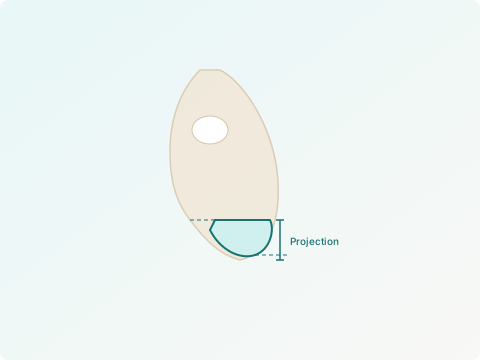
Assessment & marking
The surgeon identifies areas of excess facial fat along the jawline, chin, and lower face, and marks the injection and laser insertion points.
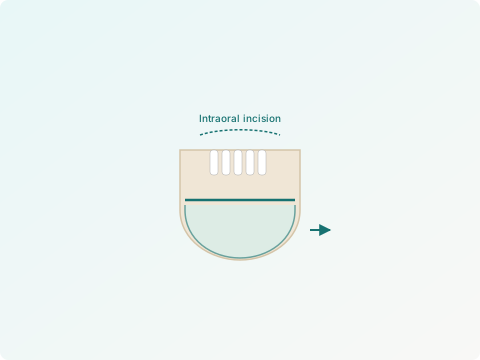
Tumescent & laser insertion
A fat-dissolving tumescent solution is injected, then the Accusculpt laser fiber is inserted through needle-sized dots below the ears or under the chin.
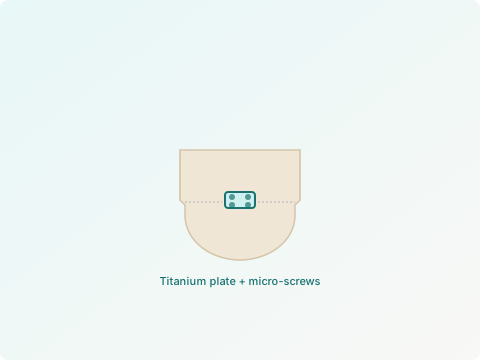
Laser lipolysis & fat removal
The laser melts targeted fat deposits while simultaneously stimulating collagen production in the surrounding tissue for skin tightening.
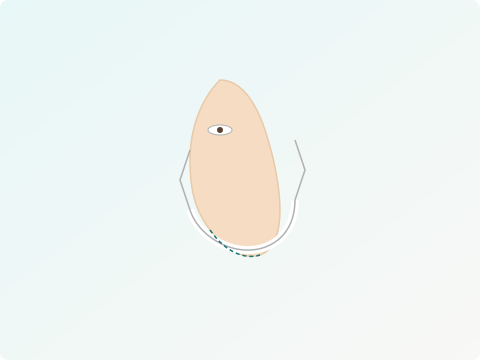
Refined jawline result
The melted fat is suctioned out, revealing a slimmer, more defined jawline. Collagen remodeling continues over 1-3 months for progressive skin tightening.
Cost · as of 2026
Accusculpt costs in Korea range from $1,500 to $4,000 USD depending on the clinic, the number of treatment areas, and whether it is combined with other procedures.
This is significantly more affordable than comparable laser liposuction procedures in the US ($3,000-$7,000) or other Western countries, while Korean surgeons offer extensive experience with facial contouring techniques.
The price typically includes:
- Surgeon fee and facility cost
- Local anesthesia with sedation
- Post-operative compression bandage
- One follow-up visit and stitch removal
Not included: hotel accommodation, airport transfers, and additional post-op treatments (if needed). SMI provides an itemized quote with $0 agency markup.
Who it is for
Accusculpt is ideal for patients who experience:
- Double or triple chin: Excess fat under the chin that creates an undefined jawline
- Excess facial fat: Fullness in the cheeks, jowls, or lower face that diet and exercise cannot reduce
- Asymmetrical face from fat: Uneven fat distribution causing facial asymmetry
- Deep smile lines from fat deposits: Nasolabial area fullness caused by excess subcutaneous fat
- Desire for a defined jawline: Patients seeking a slimmer, V-line facial contour without bone surgery
The procedure is not recommended for patients whose facial width is primarily due to bone structure (jaw angle) or masseter muscle hypertrophy rather than fat. In such cases, jaw surgery or Botox injections may be more appropriate. Patients with very poor skin elasticity may also see limited skin tightening benefits.
Recovery
Recovery from Accusculpt is relatively quick compared to surgical facial contouring:
- Day 1-3: Swelling and mild bruising around the treatment area. A compression bandage is worn to minimize swelling and support skin contraction. Mild discomfort is managed with prescribed pain medication.
- Day 3: Face washing and light makeup are permitted. Most patients feel comfortable returning to light daily activities.
- Day 7: Stitches are removed. Swelling continues to decrease.
- Week 2-3: Bruising fades and most of the visible swelling resolves. Most patients feel comfortable in social situations.
- Month 1: Noticeable results appear as residual swelling subsides and the jawline contour becomes defined.
- Month 3: Final results are fully visible as collagen remodeling completes, providing maximum skin tightening.
Flying: Most surgeons clear patients for flying 7-10 days after the procedure, once stitches are removed and there are no complications.
Activity restrictions: Avoid strenuous exercise for 2 weeks. Avoid saunas and hot baths for 2-3 weeks.
Risks & considerations
Accusculpt is considered a low-risk, minimally invasive procedure. However, potential risks include:
- Swelling and bruising: Expected and temporary, typically resolving within 1-2 weeks
- Temporary numbness: Mild numbness in the treated area may occur for a few weeks
- Asymmetry: Slight unevenness in fat removal, which may require a touch-up procedure
- Skin irregularity: Rare surface irregularities if fat is removed unevenly
- Burn risk: Very rare with experienced surgeons; the laser fiber temperature is carefully controlled
- Infection: Extremely rare when proper sterile technique is used
Choosing an experienced surgeon who regularly performs Accusculpt significantly reduces these risks. The needle-sized entry points typically heal without visible scars.
Korea trip checklist
If you are planning to travel to Seoul for Accusculpt, use this checklist:
- Before departure: Request a virtual consultation with your surgeon. Share clear photos of your face from multiple angles for pre-assessment.
- Medications: Stop blood thinners (aspirin, ibuprofen, fish oil, vitamin E) at least 1 week before the procedure. Inform your surgeon of all medications.
- Travel plan: Book at least a 7-day stay in Seoul -- you need to return for stitch removal on day 7.
- What to bring: A wide scarf or turtleneck to cover the compression bandage, sunscreen (SPF 50+), and comfortable clothing.
- Accommodation: Stay near Gangnam or the clinic area for easy follow-up access.
- Post-procedure care: Wear the compression bandage as instructed (usually 3-5 days). Keep your head elevated while sleeping for the first few days.
- Flying home: Confirm clearance from your surgeon before booking your return flight.
Clinical details are summarized from materials provided by SMI's partner clinics and published guidance from the Korean Society of Plastic and Reconstructive Surgeons (KSPRS). Technique selection is determined by your surgeon during consultation. SMI is a registered patient-facilitation agency, not a medical provider, and does not offer medical advice.
Why get this procedure in Korea
-
World-leading surgical volume
Korean plastic surgeons perform more facial procedures per capita than any other country, refining techniques through high case volumes.
-
Board-certified specialists
All SMI partner surgeons hold Korean Board of Plastic Surgery certification and operate at JCI or KOIHA-accredited facilities.
-
40-60% cost savings
Comparable or superior results at a fraction of US/EU pricing, with no compromise on safety standards or technology.
You may also consider
Frequently asked questions
Sources
- Ministry of Health and Welfare, Republic of Korea
- Medical Korea (KHIDI)
- Korea Health Industry Development Institute (KHIDI)
- Korean Society of Plastic and Reconstructive Surgeons (KSPRS)
- International Society of Aesthetic Plastic Surgery (ISAPS)
Read our editorial policy to learn how we source and verify information.
